Understanding Spine Surgeons and Spinal Deformity Correction
Category : Spine Surgeons | Sub Category : Spinal Deformity Correction Posted on 2024-02-07 21:24:53
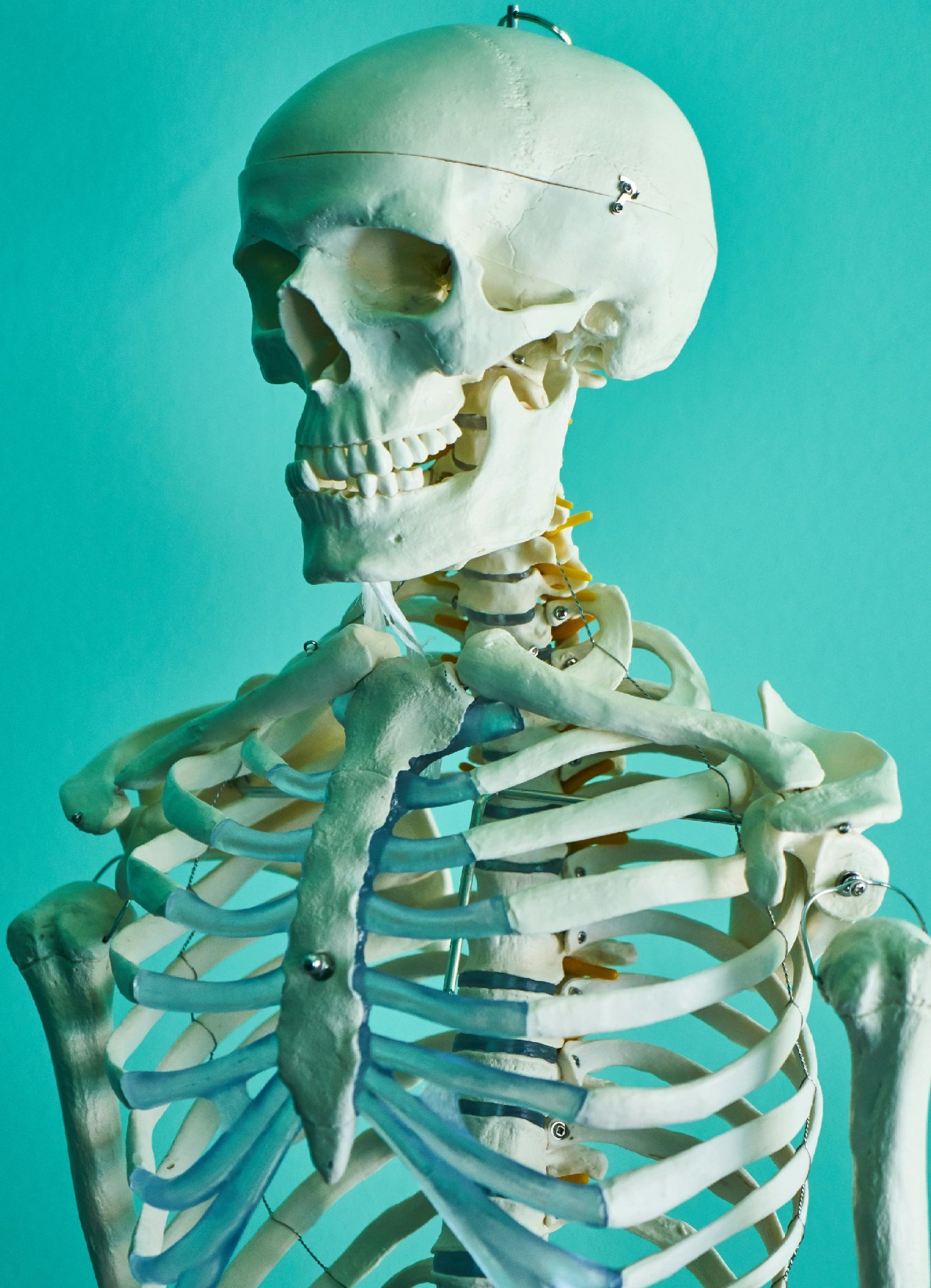
Understanding Spine Surgeons and Spinal Deformity Correction
Introduction:
Spine surgeons are highly specialized medical professionals who play a critical role in the treatment of spinal conditions, including spinal deformities. Spinal deformities can range from mild to severe and may require surgical intervention to correct. In this blog post, we will explore the role of spine surgeons in correcting spinal deformities and the various treatment options available.
The Role of Spine Surgeons:
Spine surgeons are trained to diagnose, treat, and manage conditions affecting the spine. When it comes to spinal deformity correction, spine surgeons have the expertise to evaluate the extent of the deformity and develop a personalized treatment plan for each patient. They may work closely with a multidisciplinary team that includes physical therapists, pain management specialists, and neurosurgeons to ensure comprehensive care.
Treatment Options:
Spinal deformity correction can be achieved through various surgical procedures, depending on the specific condition and the individual needs of the patient. One common surgical approach is spinal fusion, which involves joining two or more vertebrae together to stabilize the spine. This procedure can help improve spinal alignment and reduce pain and other symptoms associated with spinal deformities.
In some cases, spine surgeons may also recommend osteotomy, a procedure that involves cutting and reshaping the bones of the spine to correct deformities such as scoliosis or kyphosis. This approach can help improve spinal alignment and function, allowing patients to regain mobility and quality of life.
Recovery and Rehabilitation:
After spinal deformity correction surgery, patients will undergo a period of recovery and rehabilitation to regain strength and mobility. Physical therapy and guided exercises are typically prescribed to help patients rebuild muscle strength and improve flexibility. It is important for patients to follow their surgeon's instructions and attend follow-up appointments to monitor their progress and address any concerns that may arise.
Conclusion:
Spine surgeons play a crucial role in the treatment of spinal deformities, utilizing their expertise to correct structural abnormalities and improve patients' quality of life. By understanding the role of spine surgeons and the treatment options available, patients can make informed decisions about their care and work towards achieving optimal spinal health. If you or a loved one are dealing with a spinal deformity, don't hesitate to consult with a spine surgeon to explore your treatment options and embark on the path to a healthier spine.
Leave a Comment:
SEARCH
Recent News
- Zurich, Switzerland: The Ideal Destination for Sport Periodization
- Zurich, Switzerland: A Hub for Sports Championships
- Zurich, Switzerland has long been known for its exceptional quality of life, beautiful surroundings, and high standard of healthcare. In contrast, the Russian healthcare system has faced various challenges and struggles over the years. Let's delve into the differences between the healthcare systems in Zurich, Switzerland, and Russia.
- Navigating Medical Device Regulations in Zurich, Switzerland
- In the bustling city of Zurich, Switzerland, finding healthy fast food options can be a challenge. However, with a little exploration and curiosity, you can discover some fantastic spots that offer nutritious and delicious meals on the go.
- Maximizing Your YouTube Content Creation Strategy through Sport Periodization
- ## Cracking the Code: YouTube Content Creation and Translation in Sports Championships
- YouTube Content Creation: Exploring the Russian Healthcare System
READ MORE
9 months ago Category :

Zurich, Switzerland: The Ideal Destination for Sport Periodization
Read More →9 months ago Category :

Zurich, Switzerland: A Hub for Sports Championships
Read More →9 months ago Category :

Zurich, Switzerland has long been known for its exceptional quality of life, beautiful surroundings, and high standard of healthcare. In contrast, the Russian healthcare system has faced various challenges and struggles over the years. Let's delve into the differences between the healthcare systems in Zurich, Switzerland, and Russia.
Read More →9 months ago Category :
