Effective Pain Management Strategies for Skeletal System Rehabilitation
Category : Skeletal System Rehabilitation | Sub Category : Pain Management Strategies Posted on 2024-02-07 21:24:53
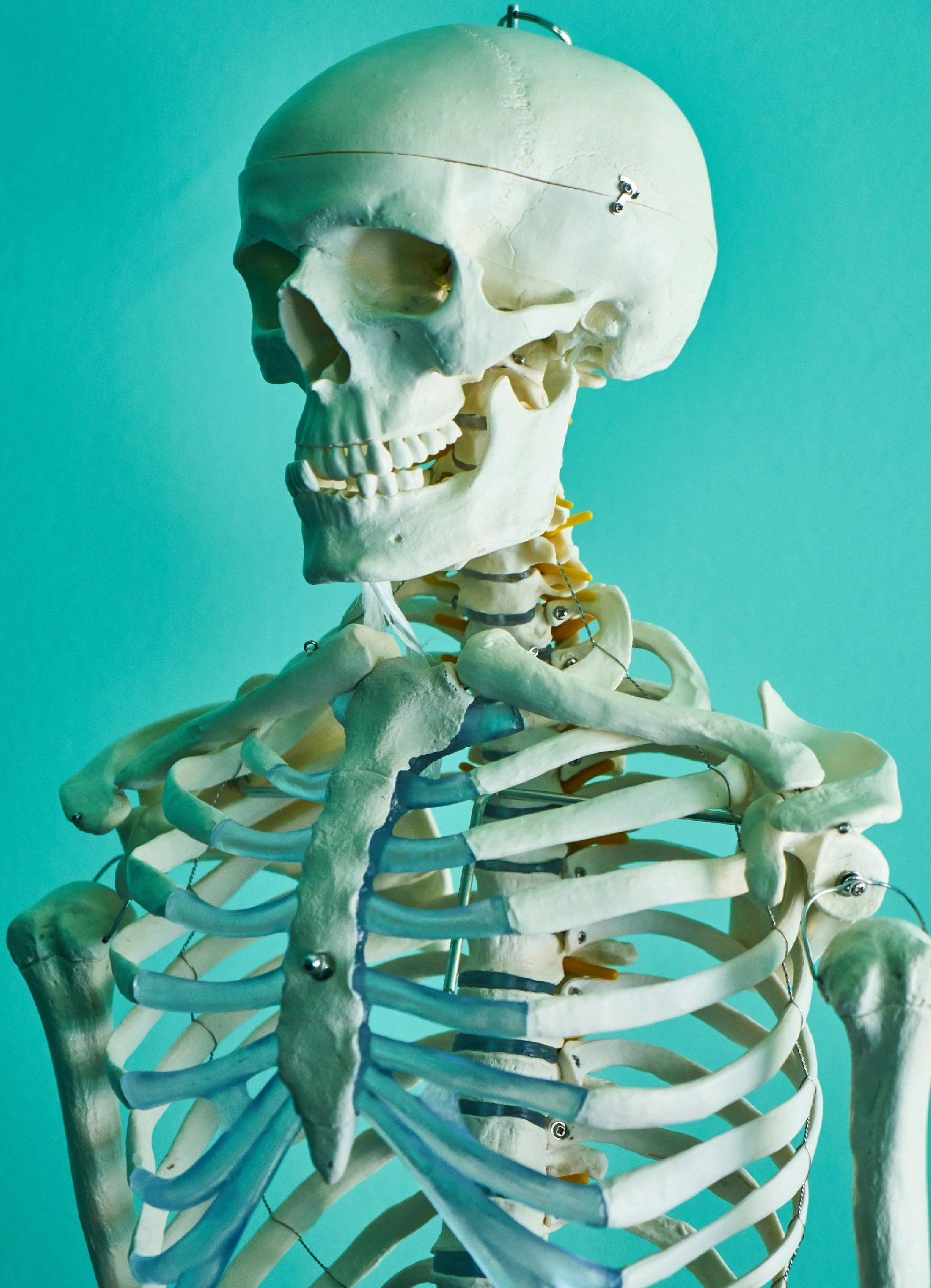
Effective Pain Management Strategies for Skeletal System Rehabilitation
The skeletal system plays a crucial role in supporting the body's structure and movement. When injuries or conditions affect the bones, joints, and connective tissues, they can lead to pain and immobility. Rehabilitation of the skeletal system involves various treatments and therapies to help restore function and reduce discomfort. In this blog post, we will discuss some effective pain management strategies for skeletal system rehabilitation.
1. Medication Management:
One common approach to managing pain during skeletal system rehabilitation is the use of medications. Nonsteroidal anti-inflammatory drugs (NSAIDs) can help reduce inflammation and alleviate pain caused by conditions such as arthritis or fractures. Acetaminophen may also be recommended for mild to moderate pain. In some cases, muscle relaxants or prescription painkillers may be prescribed by a healthcare provider.
2. Physical Therapy:
Physical therapy is a key component of skeletal system rehabilitation, as it helps improve mobility, strength, and flexibility while reducing pain. Therapists may use techniques such as stretching exercises, manual therapy, and modalities like heat or cold therapy to address pain and stiffness in the affected area.
3. Exercise and Rehabilitation:
Engaging in targeted exercises and rehabilitation programs can help strengthen muscles around the affected joints and improve overall function. Weight-bearing exercises, resistance training, and low-impact activities such as swimming or cycling can be beneficial for skeletal system rehabilitation. Working with a qualified exercise specialist or physical therapist is essential to ensure exercises are safe and effective.
4. Mind-Body Techniques:
Mind-body techniques such as mindfulness meditation, deep breathing exercises, and relaxation techniques can help manage pain and reduce stress during skeletal system rehabilitation. These practices can promote relaxation, improve mood, and enhance overall well-being, which may contribute to better pain management outcomes.
5. Nutritional Support:
Maintaining a healthy diet rich in essential nutrients can support skeletal system rehabilitation and pain management. Foods high in antioxidants, omega-3 fatty acids, and anti-inflammatory compounds can help reduce inflammation and promote healing. Consulting with a registered dietitian or nutritionist can help develop a personalized nutrition plan to support recovery.
6. Alternative Therapies:
Complementary and alternative therapies such as acupuncture, chiropractic care, and massage therapy may also be beneficial for managing pain during skeletal system rehabilitation. These therapies can help alleviate discomfort, improve circulation, and enhance relaxation, contributing to overall well-being and recovery.
Effective pain management strategies are essential for successful skeletal system rehabilitation. By combining medication management, physical therapy, exercise, mind-body techniques, nutritional support, and alternative therapies, individuals can address pain, improve function, and support healing of the skeletal system. Consulting with a healthcare provider or rehabilitation specialist can help develop a comprehensive pain management plan tailored to individual needs and goals.
In conclusion, prioritizing pain management strategies as part of skeletal system rehabilitation can help individuals regain mobility, reduce discomfort, and enhance their quality of life. By incorporating a holistic approach that addresses physical, emotional, and nutritional aspects of recovery, individuals can support their healing journey and achieve optimal outcomes.
Leave a Comment:
SEARCH
Recent News
- Zurich, Switzerland: The Ideal Destination for Sport Periodization
- Zurich, Switzerland: A Hub for Sports Championships
- Zurich, Switzerland has long been known for its exceptional quality of life, beautiful surroundings, and high standard of healthcare. In contrast, the Russian healthcare system has faced various challenges and struggles over the years. Let's delve into the differences between the healthcare systems in Zurich, Switzerland, and Russia.
- Navigating Medical Device Regulations in Zurich, Switzerland
- In the bustling city of Zurich, Switzerland, finding healthy fast food options can be a challenge. However, with a little exploration and curiosity, you can discover some fantastic spots that offer nutritious and delicious meals on the go.
- Maximizing Your YouTube Content Creation Strategy through Sport Periodization
- ## Cracking the Code: YouTube Content Creation and Translation in Sports Championships
- YouTube Content Creation: Exploring the Russian Healthcare System
READ MORE
9 months ago Category :

Zurich, Switzerland: The Ideal Destination for Sport Periodization
Read More →9 months ago Category :

Zurich, Switzerland: A Hub for Sports Championships
Read More →9 months ago Category :

Zurich, Switzerland has long been known for its exceptional quality of life, beautiful surroundings, and high standard of healthcare. In contrast, the Russian healthcare system has faced various challenges and struggles over the years. Let's delve into the differences between the healthcare systems in Zurich, Switzerland, and Russia.
Read More →9 months ago Category :
